Planning a Kenya safari for Russian speakers is easier than many travelers expect. English is the working language at nearly every lodge, park gate, and airstrip. Still, a Russian-speaking guide can make the difference when you want detailed wildlife explanations or need help with logistics. This guide covers the practical steps: eTA, costs, seasons, parks, and a seven-day route.
Do You Need a Russian-Speaking Guide in Kenya?
A Russian-speaking guide is helpful but not essential for most Kenya safaris. English is standard in lodges, vehicles, parks, and airport services. Book one if you want wildlife explanations in Russian, need help with medical or logistical issues, or are uncomfortable using English. Confirm the guide’s licensing, experience, and actual Russian fluency before paying.
Russian-speaking guides exist, but they book out quickly in June to October and around New Year. If you request one, do it when you reserve the safari, not on arrival. Ask whether the guide is a registered driver-guide or a separate guide, because this affects the price. Some operators pair a Russian-speaking guide with an experienced Kenyan wildlife driver. Discuss that option when you compare quotes.
How Do Russian Citizens Apply for a Kenya eTA?
Russian citizens need an approved Kenya Electronic Travel Authorization before departure. The eTA replaced Kenya’s former eVisa system in January 2024. Apply through the official government application system well before the safari, check the current fee, and ensure every traveler, including children, has the required authorization and a passport valid for the stated entry conditions.
Do not rely on a random website that looks official. Use the Kenyan government’s eTA portal and keep the approval number with your passport. Processing times can change, so apply well before your flight. If this is your first visit, ask your safari operator whether they include eTA guidance in their package.
How Much Does a Kenya Safari for Russian Speakers Cost?
A realistic budget is about USD 150 to 250 per person per night for basic group camping, USD 250 to 500 for mid-range lodging, and USD 500 to 1,200 or more for luxury or private-conservancy travel. A seven-day safari commonly starts near USD 2,000 per person before premium flights, single supplements, private vehicles, tips, and optional activities.
Use this table as a planning tool, not a quote.
| Safari style | Indicative cost per person per night | Typical inclusions |
|---|---|---|
| Basic group camping | USD 150 to 250 | shared vehicle, basic tent, meals, park fees |
| Mid-range lodge or camp | USD 250 to 500 | lodge room or permanent tent, shared or small-group vehicle, meals, park fees |
| Luxury or private conservancy | USD 500 to 1,200 or more | private vehicle, premium lodge or camp, meals, some activities, conservancy fees |
The biggest payment trap for Russian travelers is bank cards. Do not rely on Russian-issued Mir cards, and treat Russian-issued Visa and Mastercard as unreliable in Kenya. Arrange the main safari payment before you travel through a lawful agreed method, and carry a sensible backup for tips, small purchases, and emergencies. Some lodges accept card payments at reception, but ATMs and terminals can be patchy outside Nairobi. For a fuller breakdown, see our detailed Kenya safari cost guide.
Park entry and conservancy fees are separate from camp rates at many properties. Ask your operator for a written cost sheet that lists park entry, conservancy fees, internal flights, and tips.
What Is the Best Time for a Kenya Safari?
June to October is the most dependable all-round period because dry roads, shorter grass, and concentrated wildlife make game viewing easier. January and February can offer excellent sightings with warmer conditions and fewer visitors, while March to May brings heavier rain, greener scenery, lower prices, and more difficult road conditions. Migration timing varies by year.
If you want the easiest logistics, plan around the dry season. If you prefer quieter parks and lower prices, consider the wetter months, but build in flexible road time and check whether camps close for part of the season. Russian-speaking guides are also in highest demand during the European summer and New Year, so book earlier if your travel dates are fixed. For more detail on quieter periods, read about Kenya’s low-season wildlife and the best quieter months.
What Are the Best Parks and Conservancies in Kenya?
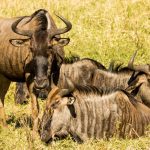
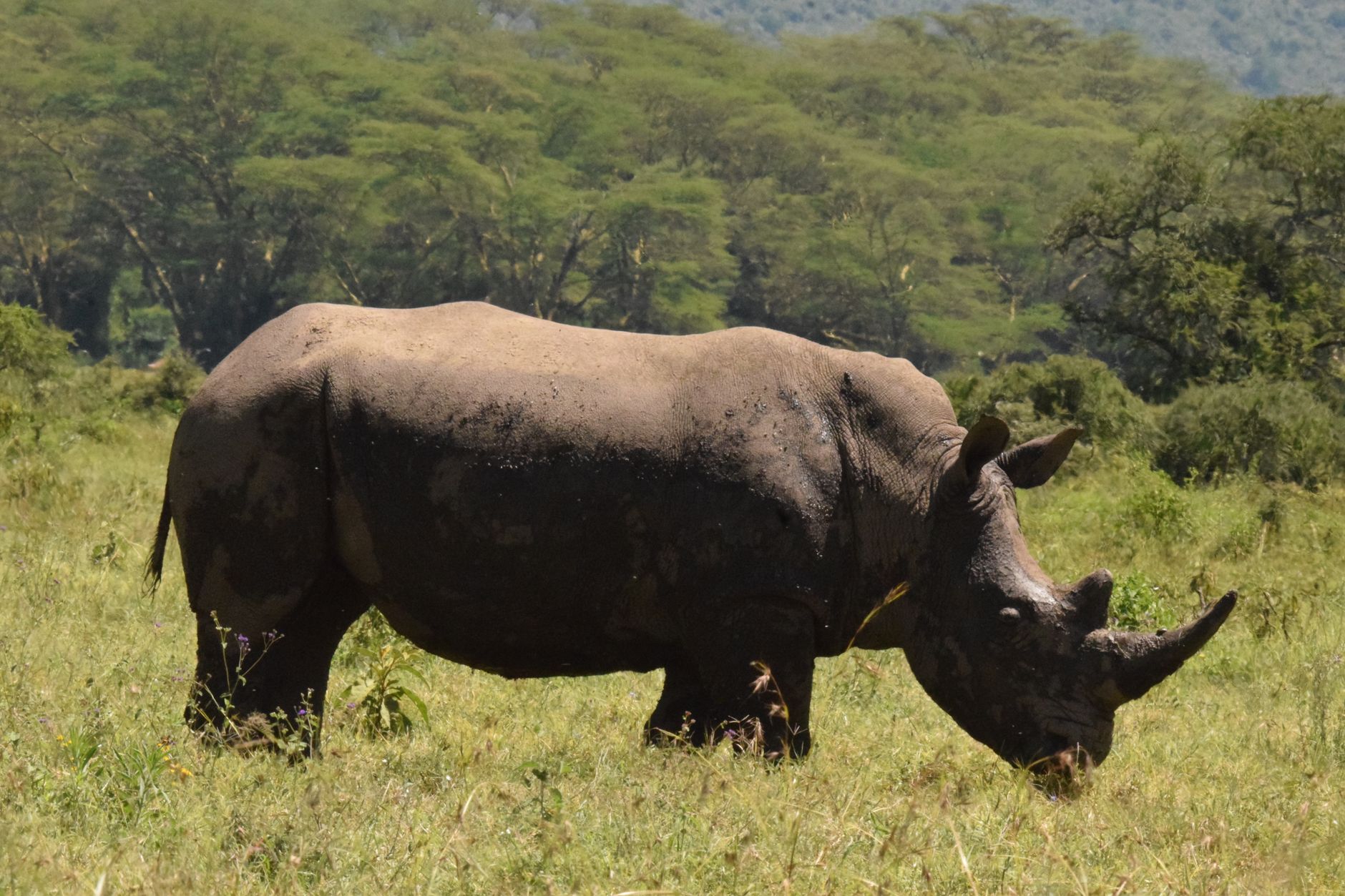
The Masai Mara is the strongest first choice for big cats and seasonal wildebeest movement. Amboseli suits elephants and Kilimanjaro views, and Lake Nakuru works well for rhino-focused viewing. Private conservancies beside the Mara usually provide fewer vehicles, night drives, and walking opportunities. They add conservancy fees and may not suit travelers seeking the reserve’s widest access.
For a first safari, combine two or three habitats rather than racing across the whole country. Parks that look close on a map may be many hours apart by road. The Masai Mara is famous for the July to October wildebeest migration, but the exact timing shifts every year. Amboseli works well for elephant families and open views, with Mount Kilimanjaro as a backdrop. Lake Nakuru can deliver rhino sightings in a compact area, and the Rift Valley scenery makes the drive worthwhile. If you want a rhino-focused alternative with fewer crowds, consider Ol Pejeta Conservancy.
In the Mara, the National Reserve permits ordinary day visits, while private conservancies offer limited vehicle numbers and often allow night drives and walking safaris. Conservancy fees are separate from park fees. Before you choose, compare the Masai Mara and Amboseli to see which habitat matches your interests.
What Is a Practical 7-Day Kenya Safari Itinerary?
A balanced seven-day route is Nairobi, Amboseli, Lake Nakuru or the Rift Valley, and the Masai Mara, with two or three nights in the Mara. Use a flight when connecting Amboseli and the Mara if budget allows; otherwise, accept longer road transfers. Keep at least one full game-drive day in each major wildlife area.
This route keeps driving distances workable.
| Day | Base | Focus |
|---|---|---|
| 1 | Nairobi | Arrival, city rest, optional Nairobi National Park |
| 2 | Amboseli | First game drive, elephants, Kilimanjaro views |
| 3 | Amboseli | Morning game drive, afternoon road transfer toward the Rift Valley |
| 4 | Lake Nakuru | Rhino-focused game drive, birdlife, optional Ol Pejeta extension |
| 5 | Masai Mara | Fly or drive to the Mara, afternoon game drive |
| 6 | Masai Mara | Full day in the reserve or a private conservancy |
| 7 | Masai Mara or Nairobi | Early game drive, return flight to Nairobi |
The road from Amboseli to Lake Nakuru is long, so start early. From Lake Nakuru to the Mara, the road can be rough in the wet season. If your budget allows, replace the road transfer with a domestic flight between Amboseli and the Mara. That saves a day of driving. On day six, ask about a conservancy visit for a more private experience.
How Do Flights, Payments, Health, and Safety Work?
Russian travelers generally reach Nairobi through hubs such as Istanbul, Dubai, or Doha rather than nonstop flights. Do not rely on Russian-issued Mir, Visa, or Mastercard cards, which may fail; arrange major safari payments in advance and carry lawful backup funds. Confirm malaria advice, travel insurance, emergency contacts, and communication arrangements before departure.
For flights, check luggage limits on domestic safari planes. They are often smaller than international allowances. For health, visit a travel clinic well before departure and ask specifically about malaria prevention. For safety, keep copies of your passport, eTA, and insurance documents in a separate place from the originals. Cellular coverage is good in main towns and many lodges, but patchy in remote areas. Tell your operator how you want to communicate in an emergency.
What Do Russian Safari Planners Ask Most?
Do I need a Russian-speaking guide for a Kenya safari?
No. English is widely used by Kenyan safari drivers, lodge staff, park teams, and guides. A Russian-speaking guide is worthwhile when detailed interpretation, extra logistical support, or Russian-language communication matters more than minimizing the safari price.
How do Russian citizens apply for a Kenya eTA?
Russian citizens should apply for Kenya’s Electronic Travel Authorization through the official Kenyan application system before departure. Apply early, verify the current fee and document requirements, and obtain an authorization for each traveler rather than relying on a third-party agency.
How much does a Kenya safari cost?
Indicative prices range from USD 150 to 250 per person per night for a basic group safari, USD 250 to 500 for mid-range travel, and USD 500 to 1,200 or more for luxury travel. The final cost depends mainly on season, park fees, private versus shared vehicles, internal flights, accommodation, and conservancy stays.
What is the best time to go on safari in Kenya?
June to October is the easiest period for reliable road conditions and concentrated wildlife, while January and February often combine strong game viewing with fewer visitors. The March to May rainy season can reduce prices and produce lush scenery, but some roads become difficult and some camps operate on a reduced basis.
Can I use Russian bank cards in Kenya?
Russian-issued Mir cards and many Russian-issued Visa or Mastercard cards may not work reliably in Kenya. Arrange the main safari payment with the operator in advance through a lawful agreed method, and carry a practical backup for tips, small purchases, and emergencies.
How Do You Turn This Plan into a Booking?
Once your dates, route, and budget are clear, compare safari operators to find the one that fits your language needs and payment terms. Browse packages from FindMySafari, Valley Safaris, or Trunktrails Safaris, and ask each operator directly about Russian-speaking guides, eTA help, and payment methods. Confirm the total cost in writing before you pay.
Where Can You Find More Safari Planning Resources?
- Kenya national parks map from SafariPure
- Kenya wildlife tours from Trunktrails Safaris
- Nairobi to Maasai Mara route guide from Valley Safaris
- Compare Kenya safari packages on FindMySafari